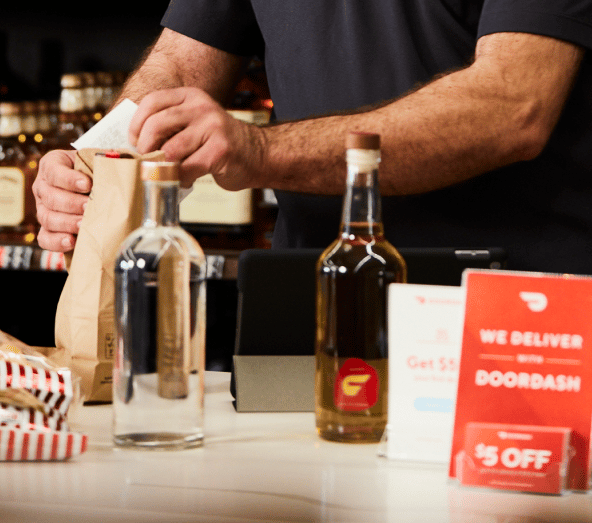
Choosing among the many Doordash delivery options can feel like comparing several different storefronts inside one app, since restaurants, grocery stores, and convenience retailers each bring their own product mix, pacing, and typical use case. Understanding those differences makes it easier to know which service fits a particular errand or craving, especially for anyone who regularly mixes categories instead of sticking to just one. This overview walks through what sets each delivery option apart.
Restaurant Delivery Through DoorDash
Restaurant delivery remains the core of DoorDash, connecting people with local kitchens ranging from pizzerias to takeout spots. Customers can order a single slice or a whole pie, or try a Chinese restaurant they have been meaning to visit. The app pulls together many nearby restaurants into one place, so browsing cuisines and comparing menus happens without switching apps.
This category is built around spontaneity and variety. Orders can be placed for a quick weekday meal or a larger spread for guests. Because restaurant delivery was the original focus of the platform, it still carries the widest number of participating restaurants compared to other categories.
Grocery Delivery and Fresh Produce Shopping
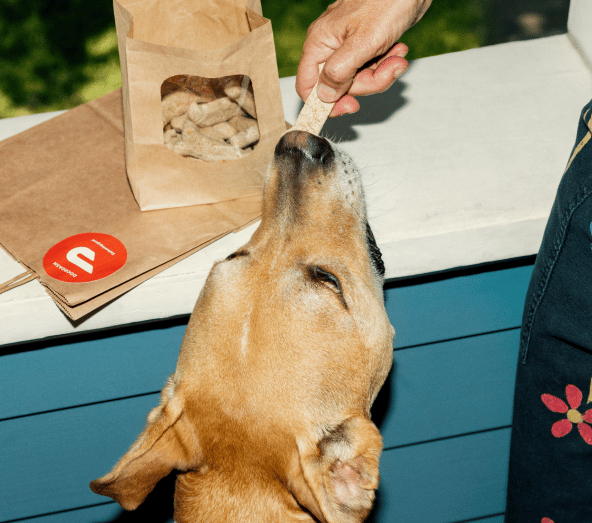
Grocery shopping through Doordash extends beyond prepared meals into everyday household food needs. Shoppers can fill a cart with fresh produce, frozen entrees, and deli items without leaving home. This turns the app into a stand-in for an actual grocery run rather than just a restaurant order.
The appeal here is flexibility rather than speed alone. A shopper restocking a kitchen can combine fresh items with pantry staples in a single order. That structure sets grocery delivery apart from restaurant orders, which are typically meant to be eaten right away.
Convenience Store and Household Essentials
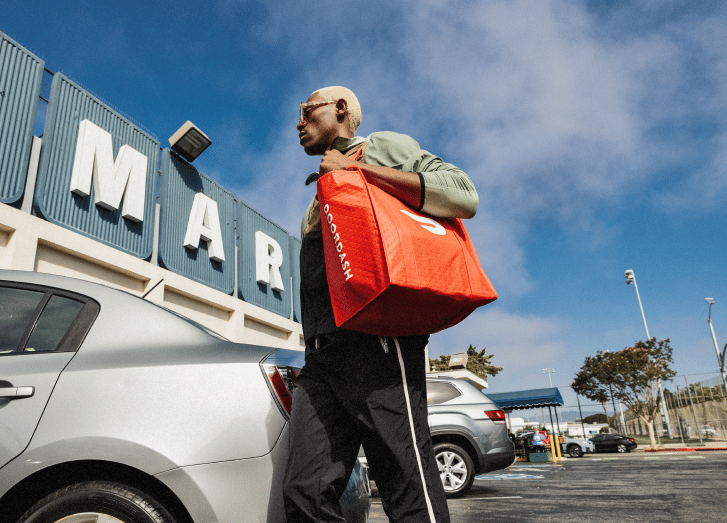
Convenience delivery targets smaller, more urgent needs that do not require a full grocery trip. Snacks, household essentials, candy, and vitamins all fall under this category. These items can arrive in under an hour, which suits last-minute needs more than planned meal prep.
This speed-focused model distinguishes convenience delivery from the broader grocery experience. Where grocery shopping is about building out a fuller cart, convenience orders tend to be smaller and more immediate. Both categories still sit within the same set of Doordash delivery options, just serving different moments.
Specialty Deliveries: Beauty, Flowers, Alcohol, and Pet Supplies
Beyond food and household basics, DoorDash also supports a handful of specialty categories. Beauty essentials from established brands can be delivered at home or while out and about, covering self-care needs outside of meal planning. Flowers are another option, with hand-picked arrangements sourced from local florists for various occasions.
Alcohol delivery is available for those 21 and older, covering liquor, beer, mixers, champagne, and wine, which suits hosting or restocking a bar at home. Pet supplies round out this group, including pet food, chew toys, and even costumes. Together, these specialty categories show how far the delivery options extend past standard takeout.
- Restaurants ranging from pizza counters to full-service kitchens make up the largest share of participating retailers.
- Grocery stores contribute fresh produce, frozen entrees, and deli items for broader home shopping.
- Convenience retailers supply snacks, household essentials, candy, and vitamins for quicker needs.
- Beauty retailers offer self-care and personal care products from recognized brands.
- Local florists provide arranged flowers for gifting or special occasions.
- Licensed alcohol retailers supply beer, wine, liquor, mixers, and champagne for those of legal age.
- Pet supply retailers round out the mix with food, toys, and accessories for animals.
DashPass Membership Across Categories
DashPass is a membership option from Doordash that applies across more than just restaurant orders. Members receive reduced delivery fees on DashPass orders and a percentage back on pickup orders, among other perks tied to the membership. Because it spans multiple categories, a single membership can apply to restaurant meals, grocery runs, and convenience orders alike.
This cross-category reach distinguishes DashPass from a typical single-service discount program. Rather than limiting benefits to one type of order, it follows the shopper across however the app gets used, whether that means a dinner order one night and a grocery run the next morning.
Delivery Speed and Selection Vary by Service Type
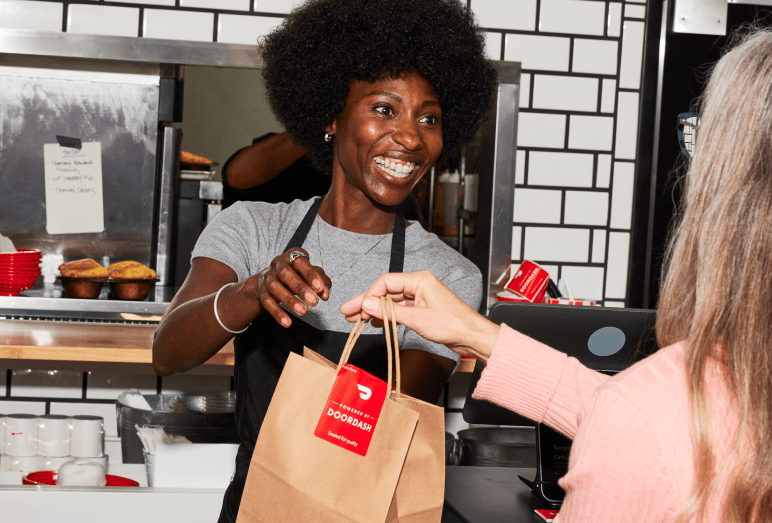
Delivery speed and product selection shift noticeably depending on which category is being used. Convenience orders are built for speed, often arriving in under an hour, while grocery orders tend to involve larger carts that may take more time to prepare. Restaurant orders sit somewhere in between, shaped by how quickly a kitchen can prepare the meal itself.
Selection follows a similar pattern. Convenience stores stock a narrower range focused on quick essentials, while grocery stores offer a far broader catalog that includes fresh and frozen goods. Specialty categories like flowers, alcohol, and pet supplies serve more specific, occasional needs rather than everyday restocking. Taken together, these differences explain why Doordash frames its service around food, grocery, and retail rather than a single delivery format.
The mix of services reflects how different shopping occasions shape delivery needs.